

For many developers, builders, and property owners, the Final Acceptance Certificate (FAC) is the final step in closing out a subdivision or municipal infrastructure project. However, across many municipalities — including Edmonton and surrounding communities — there are older developments that may still have outstanding FAC requirements, unresolved deficiencies, or securities still being held by the municipality.
In some cases, substantial funds may still be sitting with the city years after construction was completed.
What Is a Final Acceptance Certificate (FAC)?
A Final Acceptance Certificate is issued by a municipality once infrastructure constructed under a development agreement has successfully completed the maintenance period and met all municipal requirements.
This often includes:
- Roads and sidewalks
- Storm and sanitary systems
- Water infrastructure
- Landscaping and boulevards
- Street lighting
- Underground utilities
- Municipal servicing infrastructure
The FAC confirms the municipality is formally accepting ownership and long-term maintenance responsibility for the infrastructure.
Prior to FAC issuance, municipalities typically hold securities or deposits from the developer as financial protection against deficiencies or incomplete work.
Why Municipalities Hold Security Deposits
During subdivision and infrastructure construction, developers are often required to provide:
- Letters of credit
- Cash securities
- Performance bonds
- Maintenance securities
These funds help protect the municipality if repairs, deficiencies, or incomplete work need to be addressed.
Once all deficiencies are corrected and the FAC is issued, remaining securities are generally released back to the developer.
However, some projects never fully close out.
Why Older Developments Sometimes Remain Outstanding
There are several reasons why developments may still have unresolved FAC status years later.
Unresolved Deficiencies
Even relatively minor issues can delay FAC issuance indefinitely, including:
- Sidewalk damage or settlement
- Asphalt deficiencies
- Landscaping failures
- Improper grading
- Valve or utility issues
- Missing as-built documentation
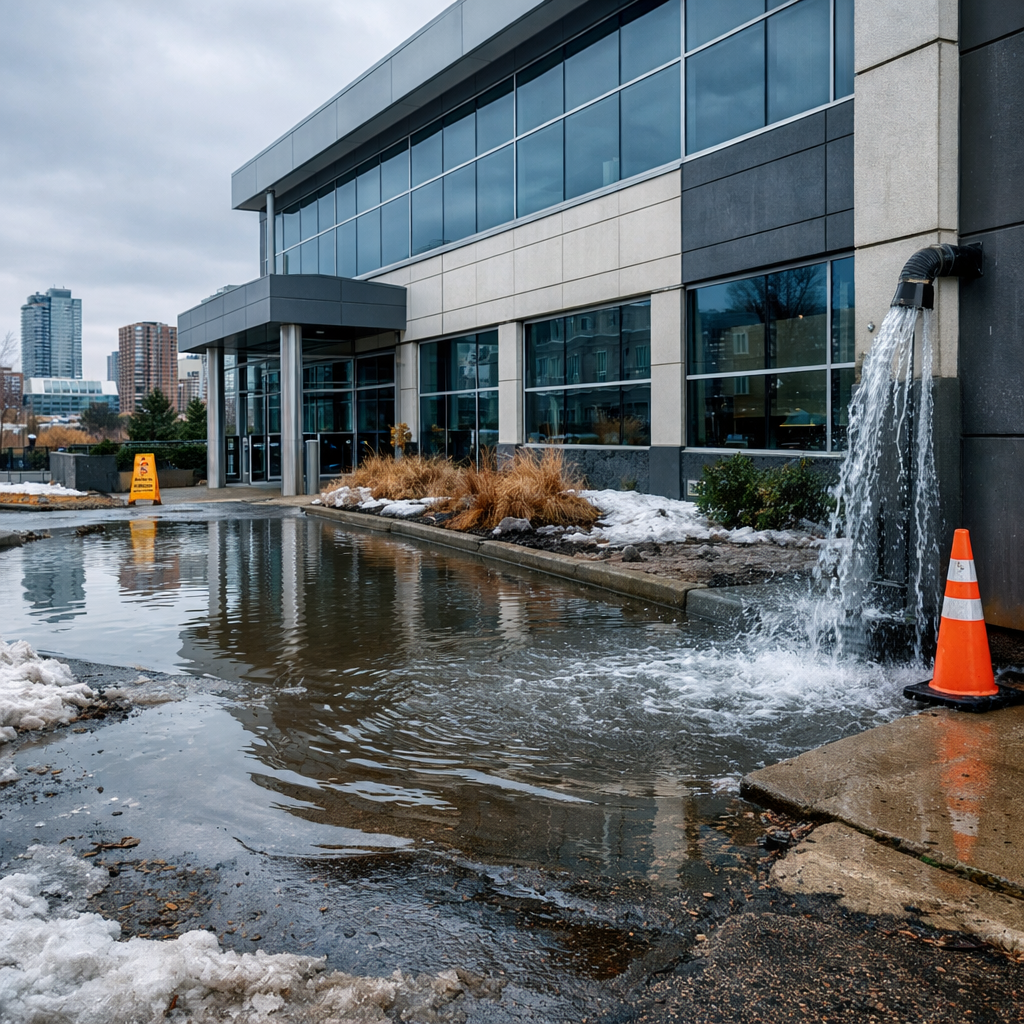
- Drainage concerns
Sometimes these deficiencies were identified but never formally resolved or reinspected.
Changes in Ownership or Corporate Structure
Developers may dissolve, merge, restructure, or sell projects over time. As companies change hands, older FAC files can lose continuity and follow-up.
Administrative Oversight
Older projects may pre-date modern digital tracking systems. In some cases:
- Municipal records are archived
- Staff turnover interrupts continuity
- Communication trails are lost
- Agreements remain technically open for years
Forgotten or Partially Releasable Securities
Some developments may still have active securities or partially releasable funds that were never revisited after construction completion.
Older developments completed before 2016 are particularly worth reviewing.
Why This Matters
For developers, property owners, and consultants, reviewing older developments may uncover:
- Outstanding securities eligible for release
- Deficiency lists requiring closure
- Open municipal agreements
- Unresolved infrastructure obligations
- Historical liabilities
- Potential recoverable funds
For municipalities, unresolved FAC files can also create uncertainty regarding ownership, maintenance responsibility, and infrastructure condition.
How Older FAC Projects Can Be Investigated
Reviewing legacy developments typically involves:
- Reviewing subdivision agreements
- Searching municipal engineering records
- Confirming FAC status
- Reviewing deficiency and inspection reports
- Identifying expired maintenance periods
- Verifying securities or letters of credit still being held
In many municipalities, older projects require manual records review and engineering coordination.
Common Signs a Development May Still Be Outstanding
A project may warrant investigation if:
- Infrastructure was completed years ago but FAC was never confirmed
- Securities were never formally released
- Ownership has changed multiple times
- Municipal communication stopped unexpectedly
- Deficiency items remain unresolved
- Development agreements are technically still open
The Importance of Proper Project Closeout
Final Acceptance Certificates are more than administrative paperwork. They represent the formal completion of municipal infrastructure obligations.
Leaving projects unresolved can create:
- Financial uncertainty
- Administrative complications
- Delays in recovering securities
- Ongoing maintenance disputes
- Unclear infrastructure responsibility
Reviewing and properly closing older FAC projects can help clarify obligations and potentially recover funds still being held by the municipality.
How Bolson Engineering Can Help
At Bolson Engineering, we assist clients with municipal infrastructure review, development servicing coordination, and engineering support related to subdivision closeout and Final Acceptance Certificate processes.
Our team understands the complexities involved in older developments, unresolved municipal agreements, and infrastructure deficiency reviews. Whether you are investigating legacy projects, reviewing open FAC files, or coordinating municipal closeout requirements, we provide practical engineering insight to help move projects toward resolution.
